

What is Yotpo?
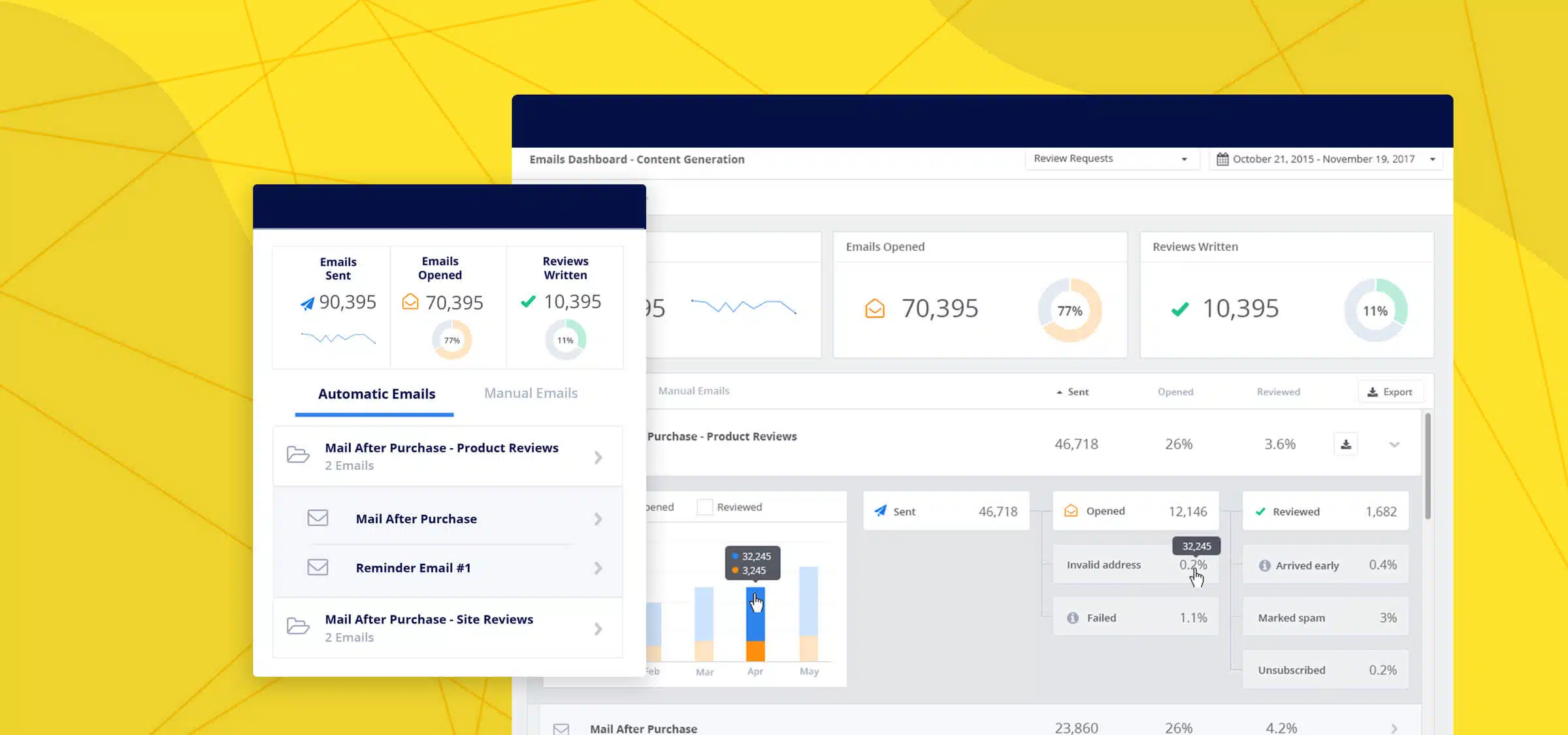
Yotpo is an ecommerce marketing platform focused on product reviews and user-generated content, loyalty and referrals, and AI visibility. Its Reviews product helps brands request, collect, moderate, analyze, display, and syndicate customer reviews, photos, videos, questions, and other shopper content.
The platform uses AI in areas such as review prompts, summaries, topic analysis, moderation workflows, display, and product discovery. These capabilities can support trust and product research, but review authenticity and disclosure still depend on the merchant’s collection, incentive, moderation, and publishing practices.
Quick Verdict
Yotpo is a strong candidate for established ecommerce brands that need review operations across collection, on-site display, syndication, analytics, and loyalty. A small store should first decide whether it needs the broader ecosystem or only a lightweight review app, because implementation and quote-led pricing can outweigh the value of consolidation.
Key Features
- Review collection: Request product and site reviews through post-purchase email and supported collection flows.
- Photo and video UGC: Collect media alongside ratings and written feedback.
- On-site display: Publish reviews, summaries, questions, and galleries through configurable widgets.
- Moderation and management: Organize, filter, respond to, and review submitted content.
- Analytics: Analyze review activity, sentiment, topics, and product feedback.
- Syndication: Distribute eligible review content to supported channels and retail partners.
- Loyalty and referrals: Run rewards and referral programs through Yotpo’s separate loyalty product.
Ecommerce Use Cases
- Request verified-buyer reviews after fulfillment.
- Collect product-specific fit, quality, usage, and media evidence.
- Display relevant reviews and summaries on product pages.
- Identify recurring product issues from review topics and sentiment.
- Syndicate eligible reviews across marketplaces and marketing channels.
- Connect review and loyalty programs across the customer lifecycle.
Trust and Compliance Check
Document how purchaser status is verified, how incentives are disclosed, which reviews are rejected, how edits are handled, and whether negative reviews remain publishable. Keep moderation rules separate from marketing targets. AI summaries should link back to the underlying reviews and must not erase material negative themes.
Run a product-page test that checks widget speed, mobile layout, schema behavior, crawlability, consent requirements, and the effect on conversion and support questions. Review collection volume alone is not a quality measure.
Best For
Growing and enterprise ecommerce brands that need structured reviews, visual UGC, syndication, analytics, or loyalty capabilities across multiple channels.
Advantages and Limitations
Advantages
- Broad review collection, display, analytics, and syndication scope.
- Supports visual UGC and product-specific feedback.
- Can connect reviews with loyalty and referral programs.
- Provides ecommerce-specific integrations and implementation support.
Considerations
- Pricing is not fully self-service on the current public page.
- Products and packages may be sold separately.
- Widgets, tracking, and integrations require performance and privacy review.
- AI summaries and moderation do not remove the merchant’s authenticity obligations.
- Migration should preserve review history, purchaser verification, media, responses, and syndication status.
Pricing
Yotpo’s current pricing page directs merchants to a personalized demo and quote rather than displaying one universal entry price. Confirm which products are included, review order limits, messaging or collection allowances, syndication, support, implementation, data export, and contract terms.
Our Take
Choose a review platform by evidence quality and operating controls, not widget count. A useful pilot should measure request delivery, review completion, media contribution, moderation time, page performance, product-question reduction, and the ability to export all historical data.
Primary Official Sources
Review and commercial scope were checked against the official Yotpo website, Reviews and UGC page, and pricing page.
Yotpo Alternatives
For lifecycle messaging, compare tools such as Klaviyo and Omnisend. They overlap with customer retention but do not replace the full reviews, syndication, and loyalty workflow.
Related Guides
Use our guides to the best ecommerce personalization tools and best AI marketing tools for DTC brands to place reviews and loyalty inside a broader stack.
Frequently Asked Questions
Does Yotpo use AI?
Yes. Yotpo documents AI-assisted review collection, summaries, analysis, moderation, display, and product-discovery capabilities.
Does Yotpo only handle reviews?
No. Its current product family also includes loyalty, referrals, and AI-visibility capabilities.
Can reviews be exported?
Data portability should be confirmed before purchase and tested before migration. Export requirements should include ratings, text, media, purchaser status, dates, responses, and product mapping.
Editorial method: This independent profile maps current provider documentation to ecommerce operating decisions. Official pages establish documented features, integrations, pricing mechanisms, and limits; vendor performance statements are not treated as independent proof. We did not conduct or claim a controlled hands-on test, and this is not a sponsored ranking. Last reviewed: September 2026. Recheck plans, allowances, integrations, data terms, and implementation requirements before purchase.